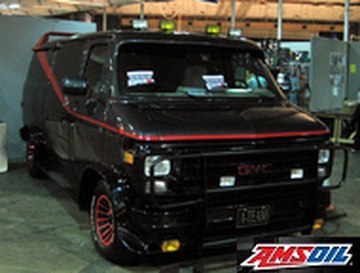
Maintaining Lubrication Standards for the 1981 Gmc Trucks G1500 VAN 5.0L
Proper engine maintenance is a cornerstone of long-term vehicle health, particularly for utility-focused vehicles like the 1981 Gmc Trucks G1500 VAN. With a 5.0L engine, ensuring that the internal components receive consistent and appropriate lubrication is vital for managing friction and heat during operation. Because this vehicle was manufactured several decades ago, maintenance strategies often focus on monitoring the condition of aging materials and staying vigilant regarding fluid integrity.
Monitoring Fluid Integrity and Potential Seepage
One of the most effective ways to monitor the health of a 5.0L engine is through regular visual inspections for fluid loss. Over time, various seals and gaskets may undergo changes in their ability to maintain a tight seal. When performing routine checks, it is useful to look for signs of seepage or active leaks around the engine block and associated sealing surfaces.
If you notice dark staining or wetness on the underside of engine components, this can be an indicator that a seal or gasket may require attention. Rather than assuming a specific component has failed, these observations should be treated as prompts for closer inspection. Additionally, checking the area around the oil drain plug and the filter mounting surface can help ensure that recent service was completed securely and that no debris is interfering with a proper seal.
It is also beneficial to observe the color and consistency of the engine oil during regular checks. While some level of darkening is expected as the lubricant works to suspend contaminants, extremely thick or sludge-like textures can indicate that the oil has been subjected to excessive heat or has exceeded its effective service life. Monitoring these changes allows for more informed decisions regarding when a service is necessary.
Observing Operational Indicators
Beyond visual inspections of the engine exterior, paying attention to how the vehicle behaves during operation provides critical feedback. Changes in how the engine sounds or smells can often be linked to lubrication status. For instance, an unusual odor that develops after the engine reaches operating temperature may suggest that oil is contacting a hot external surface, which warrants further investigation into potential leak locations.
If you notice changes in the way the engine responds under load, or if you observe any unexpected exhaust characteristics, these symptoms should be investigated. It is important to remember that many different mechanical issues can produce similar symptoms; therefore, a single observation should not be used to diagnose a specific part failure without a thorough professional assessment. For example, unusual noises might be related to various internal or external components, and identifying the exact source requires careful diagnostic work.
Maintaining a consistent eye on dashboard indicators is also essential. If any warning lights related to engine operation illuminate, these should be addressed immediately to prevent potential complications. Consistent monitoring of these signs helps transition maintenance from reactive repairs to proactive care.
Managing Aging Components and Systems
As vehicles age, the materials used in various systems can become more susceptible to environmental factors and heat cycles. For a 1981 Gmc Trucks G1500 VAN, this means that routine inspections should extend beyond just the engine oil. If equipped, accessible drive belts should be checked for signs of wear such as cracking, glazing, or fraying. Similarly, inspecting any visible hoses for softness, swelling, or brittleness can help prevent unexpected failures in the cooling or vacuum systems.
Electrical connections and wiring harnesses also benefit from periodic inspection. Ensuring that connectors are secure and free from corrosion helps maintain the integrity of the engine's management systems. Furthermore, if the vehicle is equipped with an air filtration system, ensuring the filter is clean is a fundamental step in preventing contaminants from entering the combustion process, which indirectly protects the engine oil from premature degradation.
When managing an older vehicle, it is often more effective to prioritize maintenance based on the actual current condition of the components rather than relying solely on the age of the vehicle. A component that has been well-protected from the elements may still be in excellent condition, while one exposed to heavy moisture or extreme heat may require earlier attention.
Establishing a Maintenance Baseline
For owners who have recently acquired a vehicle like this G1500 VAN, establishing a maintenance baseline is an excellent way to ensure long-term reliability. If the previous service history is unknown or incomplete, performing a comprehensive inspection of all fluids and major wear items provides a starting point for future care.
Documenting every oil change, filter replacement, and observed repair creates a valuable history. This record-keeping allows you to identify patterns—such as whether the engine is consuming more oil than expected or if certain seals require frequent monitoring. Having a clear history of what has been done makes it much easier to distinguish between routine maintenance needs and new, unexpected issues that may arise.
By building this baseline, you move away from guesswork and toward a structured approach to ownership. This is particularly helpful when deciding whether to address a minor seepage or to wait until the next scheduled service, as you will have the context of the vehicle's overall maintenance trajectory.
Practical Approaches to Long-Term Care
Prioritizing maintenance tasks effectively involves distinguishing between preventive measures and necessary repairs. While it is tempting to replace parts simply because they are old, a more practical approach focuses on addressing active warning signs or evidence of significant wear first. For example, an active leak that is causing oil to reach hot components should take precedence over the replacement of a component that shows no signs of deterioration.
Regularly reviewing your maintenance records alongside physical inspections allows for a balanced strategy. If you notice that fluid levels are dropping more frequently than they were in previous months, this provides a clear signal to prioritize an inspection of the lubrication system. This method ensures that resources are directed toward the areas that most impact the engine's operational stability.
Buying Engine Oil for the 1981 Gmc Trucks G1500 VAN 5.0L
When it is time to replenish your lubricant, the most important step is to ensure the product matches the specific requirements of your engine. To select the correct oil, match the engine oil to the application-specific viscosity information already displayed on this webpage.
While browsing options, you may encounter various formulations such as conventional, synthetic blends, or full synthetics. Some high-mileage oil formulations contain additives intended for use in aging engines, and some high-mileage formulations include seal-conditioning additives that may be beneficial for older seals. However, the choice should always be guided by the specific application data provided here rather than general assumptions about the vehicle's age. Always verify that any product you purchase meets the appropriate API certification standards to ensure it provides the necessary level of protection and deposit control for your 5.0L engine.